
Experiential Marketing for B2B: How Great Brands Show Up
When people hear experiential marketing, their mind tends to jump to B2C. They’ve got the flashy pop ups, the larger than life installations, and the guy in a branded cowboy hat handing out beef jerky.
And what does B2B have? Trade show booths, conferences, and the occasional branded pen of a company you’re never going to work with. Ewwww.
But here’s the thing: B2B buyers are still people. They laugh, cry, and make emotional decisions just as much as logical ones. Shocking, we know.
That’s why experiential marketing is just as important in B2B as in B2C because whether you’re selling software or energy drinks, you’re still just selling to people.
Keep reading if you want to uncover exactly why experiential marketing matters for both B2B and B2C, why it actually works, and how strong brands are showing up at events (beyond workshops and seminars).
Why Experiential Marketing Matters in B2B
In order to stand out in the crowd, you need more than a few social media posts and a brochure. Consumers are expecting more all the time. More interaction, more value, more something.
Experiential marketing elevates your brand, pulls your audience in, creates real engagement, and makes your brand something you experience, instead of just scroll past. It helps B2B brands connect, differentiate, and stay memorable in ways other traditional marketing methods can’t.
Here’s why it works so well:
Human Connection
Face-to-face interactions build trust in a way digital channels can’t fully recreate. In B2B sales, relationships matter and experiential marketing creates countless opportunities for genuine interactions and strong emotional connections, if done right. Even in highly logical purchasing situations, emotions still play a major role in consumers’ decision making.
Differentiation
In reality, a lot of B2B brands these days sound painfully similar. Everyone is “innovative”, “data-driven” or even “cutting edge”. Experiential marketing helps brands break out of that monotony by creating unique, memorable moments that people will associate with your company and your company alone.
Brand Perception
These experiences have the potential to shape how consumers are seeing your brand. A strategically designed activation will reinforce your credibility, expertise, and positioning in a way that just can’t be done with an informational one-pager.
Long-Term Recall
These days, people have the attention spans of goldfish. In fact, studies suggest the average person's attention span is approximately 47 seconds on any screen. In other words, people lose interest quickly, forget ads almost instantly, and can barely sit through a video without watching it on 2x speed .
What they do remember though, are experiences. They remember how a brand made them feel, the unique interaction, and the exciting activation that stuck with them.
To sum it up: the more memorable the interaction, the more likely audiences are to come back to your brand (and buy from you) later.
Still not convinced?
Let’s see why experiential marketing is officially top tier.

What Makes an Experiential Marketing Strategy Actually Work
If you think that events like Coachella are just for people to dress up, spend thousands of dollars to sleep in a tent, and post about it online… you’d only be half right.
They actually have some of the best examples of intentional experiential marketing in the wild.
The activations at these events are specifically designed to create memorable audience experiences and the best ones work because they do a lot more than just showing up with branded products:
Audience First Approach
Strong installations focus specifically on the audience and their experience. They prioritize engagement, education, and meaningful interaction over sales based messaging. The goal is to create a relationship first, not immediately force them into an unsolicited sales pitch a minute after they wander over to your pop up.
Participation
Experiential marketing possesses the magical ability to turn audiences into participants instead of just passive viewers. Participation naturally increases audience attention, engagement, and connection. When they’re actively engaging with a brand, they become more emotionally invested in the experience and are more likely to remember your brand and purchase from you.
Memorable Experiences
A strong activation will leave a lasting impression that sticks with your audience. People remember experiences and the information they learn through said experiences far more than traditional advertising methods. In fact, retention rates can go up as high as 90% when learning information through an experience in comparison to reading. They’ll remember how they experienced your brand in real life instead of just hearing about it in a presentation with 64 slides.
Strategic Execution
Top tier experiential marketing strategies are aligned with the business from the start. Great brands aren’t just showing up at random events. They are strategically designing opportunities that support their business goals, positioning, and brand identity. They show up where it makes sense for them to be (and where their target audience is likely to be). It doesn't stop there. Strong experiential marketing extends beyond the event. Lead nurture with follow ups, personalized outreach, content, and continued engagement are what turn a good brand presence into lasting impact.
How Strong Brands Show Up at Events
Not every activation or pop up is necessarily a good one. Sometimes it’s just a folding table, a slightly too bright ring light, and free candy doing its best to make it work.
Strong brands don’t just “show up” at events. They show up with intent. Their presence feels cohesive, engaging, and worth remembering. Every detail from the visuals to the interaction itself feels aligned with the brand, who they are, and what they want their audience to take away from the experience.
And it goes beyond just conferences and trade shows. We’re talking curated dinners, immersive pop-ups, interactive installations, VIP experiences, customer appreciation events, and unexpected brand moments when people least expect them.
Here’s exactly how your brand needs to show up to make a memorable impact:
Consistency Across Touchpoints: Messaging, design, and positive customer interactions should all feel like they’re coming from the same brand, not like your audience is meeting a completely different brand depending on where they’re interacting with you. Nothing feels disconnected or random, which will build trust and strengthen brand recognition.
Immersive, Multi Sensory Design: Experiences are more than just sight. They should be fully immersive and engage all the senses. Taste, touch, scent, sight, and sound all work together to create a lasting impression.
Interactive Over Information: Instead of just presenting information, strong brands create opportunities for audience interaction. The more interactive the experience, the more engaged your audience will be and that engagement will turn their experience from passive to memorable.
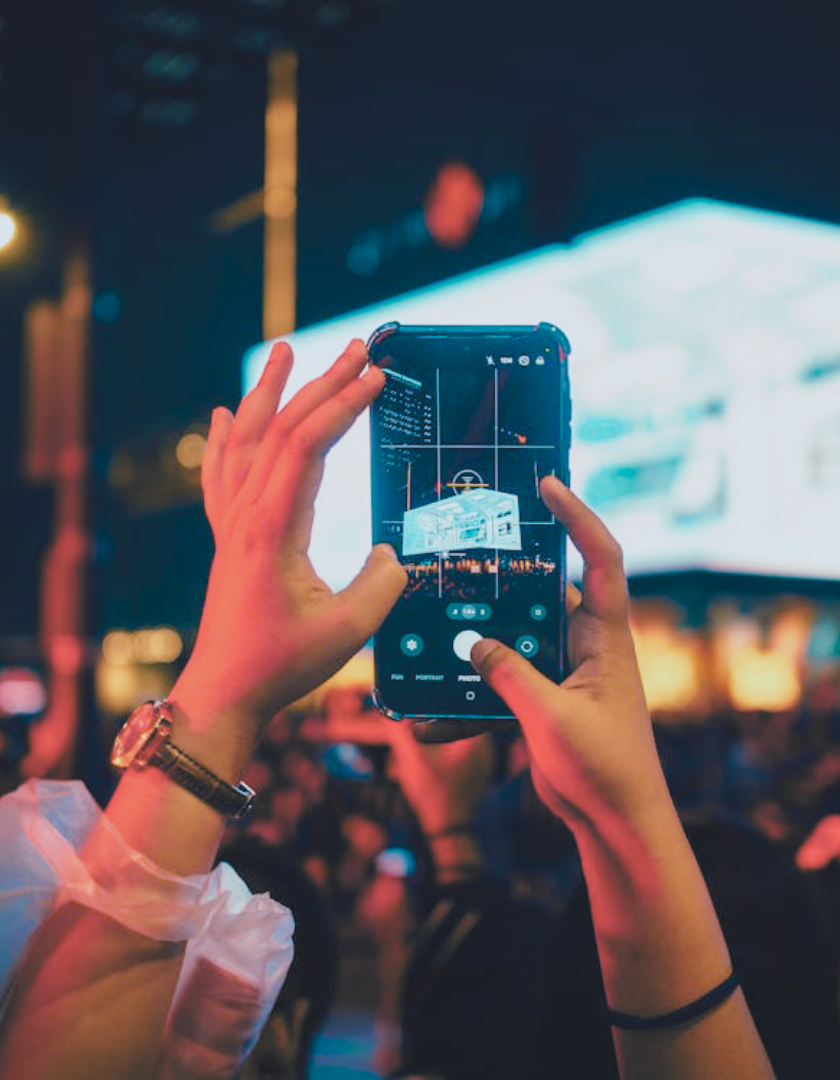
Designed to be Shared: If they didn’t post it online, did it even happen? The best experiences are built with shareability in mind. Every detail should be designed to encourage people to talk about it, post it, and organically extend your brand's reach even further.
Extends Beyond the Event: Contrary to popular belief, the customer relationship shouldn’t end when the event does. The strongest experiential strategies nurture their leads. Follow ups, personalized outreach, and ongoing content keeps the experience and the momentum high before, during, and after the activation.
At the end of the day, experiential marketing isn’t just about creating something flashy and grandiose for social media. It’s about carefully creating moments that make your audience trust your brand, remember your brand, and actually want to work with you. Plus, it’s a lot more fun than an email.
Ready to make your brand impossible to ignore? Let’s talk.